



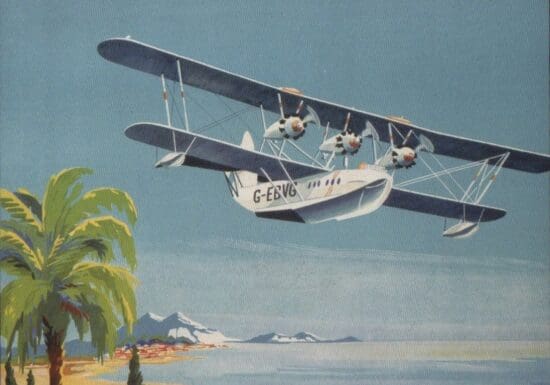
Britain’s premier overseas airline during the 1930s was Imperial Airways. They connected the United Kingdom with the rest of the British Empire using a collection of primarily locally built aircraft.
The fleet consisted of land planes as well as flying boats, some dating from the previous decade still with open cockpits. Actually, that term for where the pilots sit doesn’t seem to exist. As you’ll see below, back then it was called the ‘control cabin’.
The Seat Maps
All of these came in a booklet produced by the airline in the early 1930s. Each double page spread shows a photograph of the aircraft on the right, while on the left there is information about the aircraft. I’ve edited the images so they’re stacked to ensure they will display better.
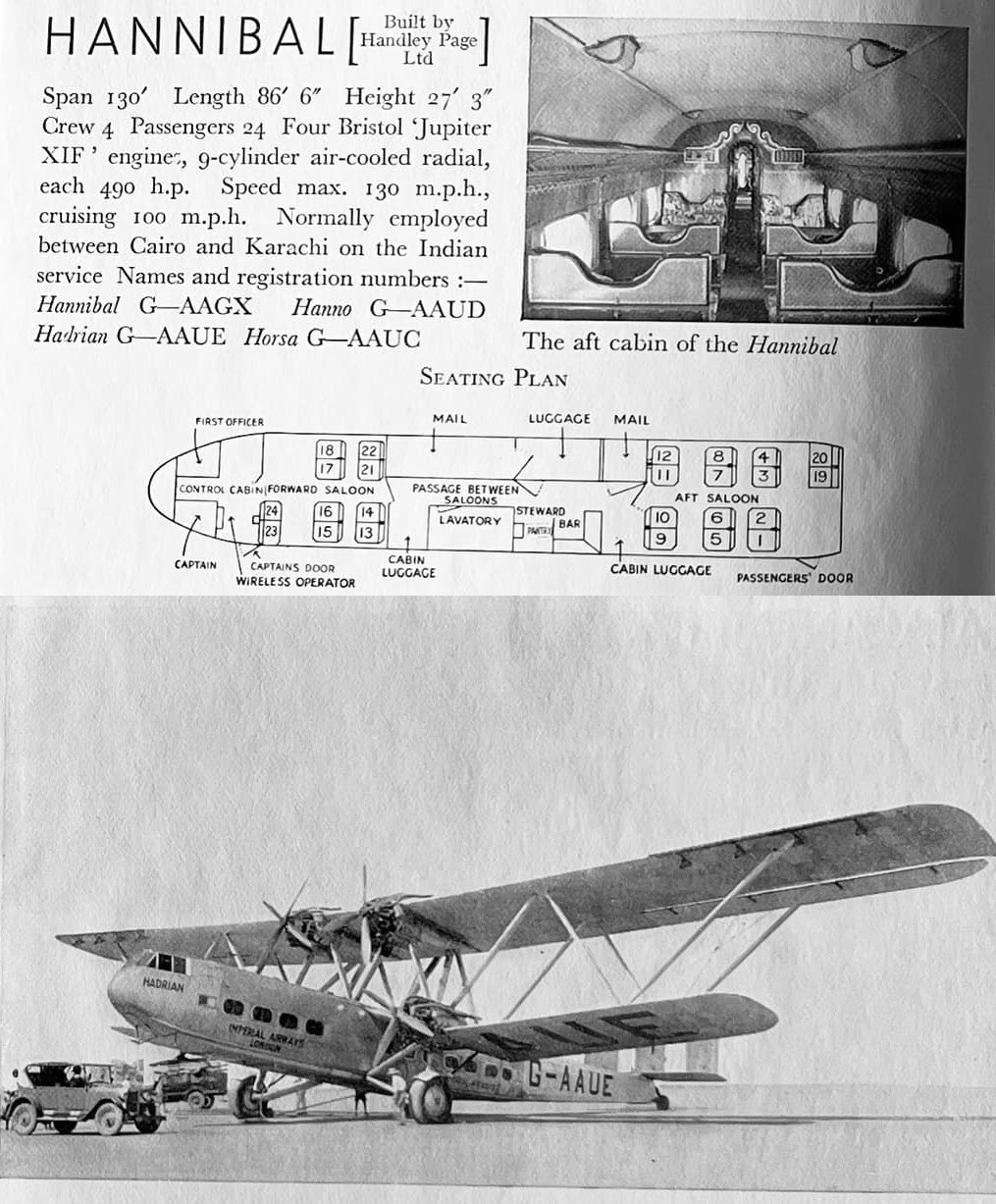
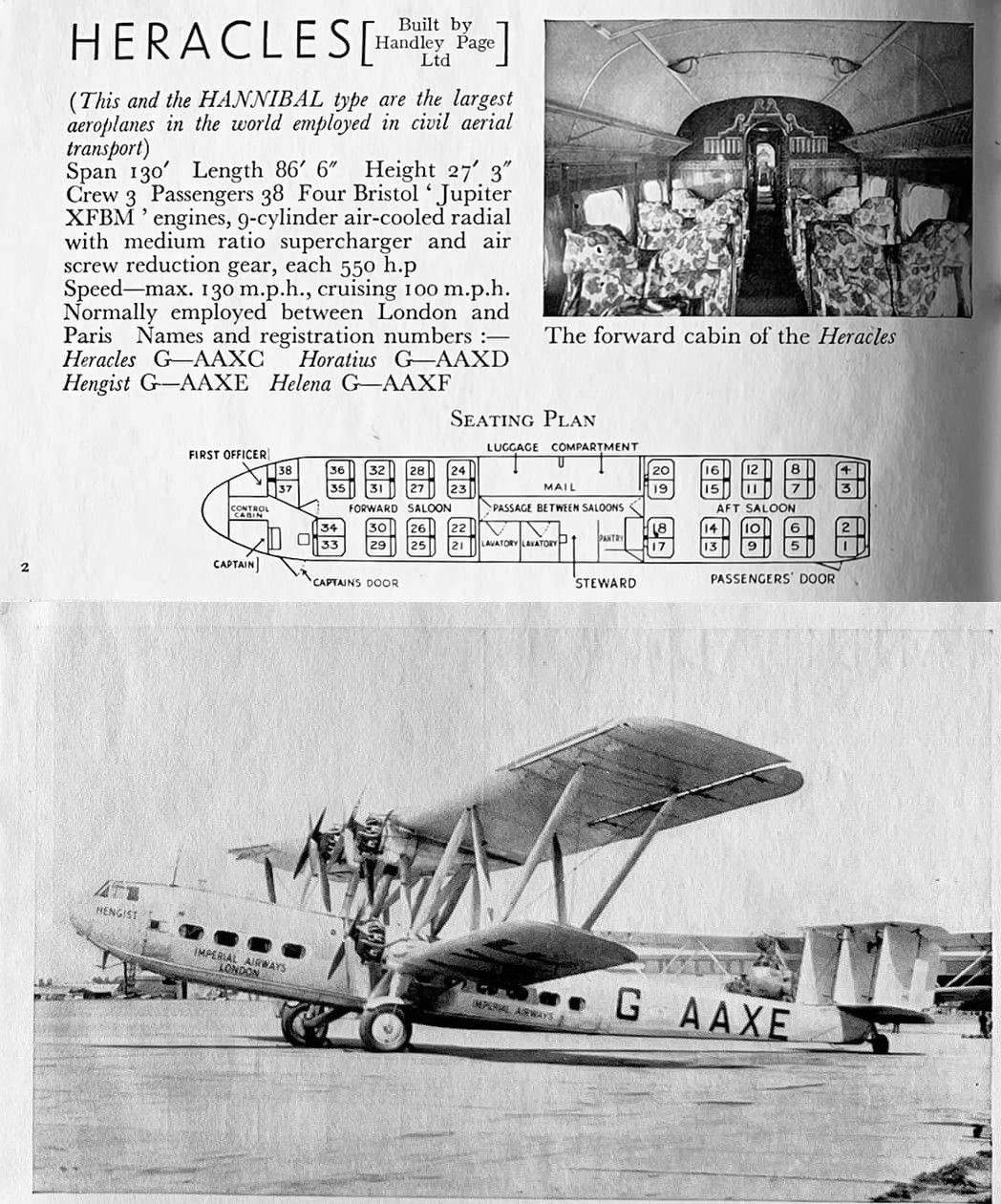
Information includes the seat map, as well as who manufactured the plane. In addition, data such as the wingspan, length, height, crew complement, number of passengers, engines and cruising speed are there too, as well as the aircraft names and registrations.
Handley Page H.P.42
The H.P.42 was the longer range, international version of the aircraft (below you’ll see the H.P.45 with more seats for shorter flights). All aircraft had names beginning with H, and it was internally called the Hannibal after the lead plane.
Handley Page H.P.45
As the text below states, “This and the HANNIBAL type are the largest aeroplanes in the world employed in civil aerial transport”. The Handley Page H.P.45 was the giant of its time, carrying 38 passengers.
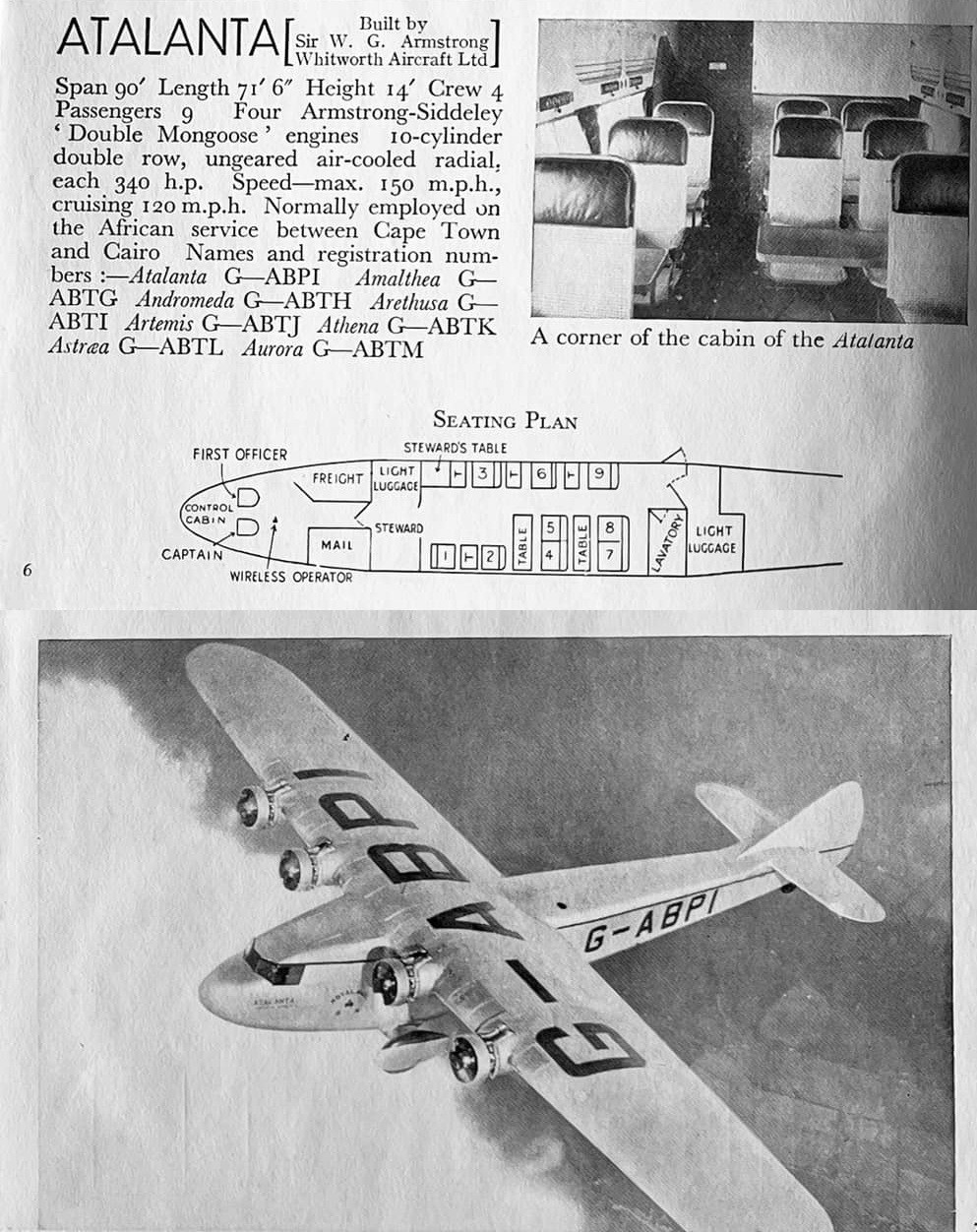
Armstrong Whitworth Atalanta
Remember the days when aircraft engines had interesting names? The Armstrong Whitworth Atalanta was powered by four Armstrong-Siddeley Double Mongoose engines. Very cool!
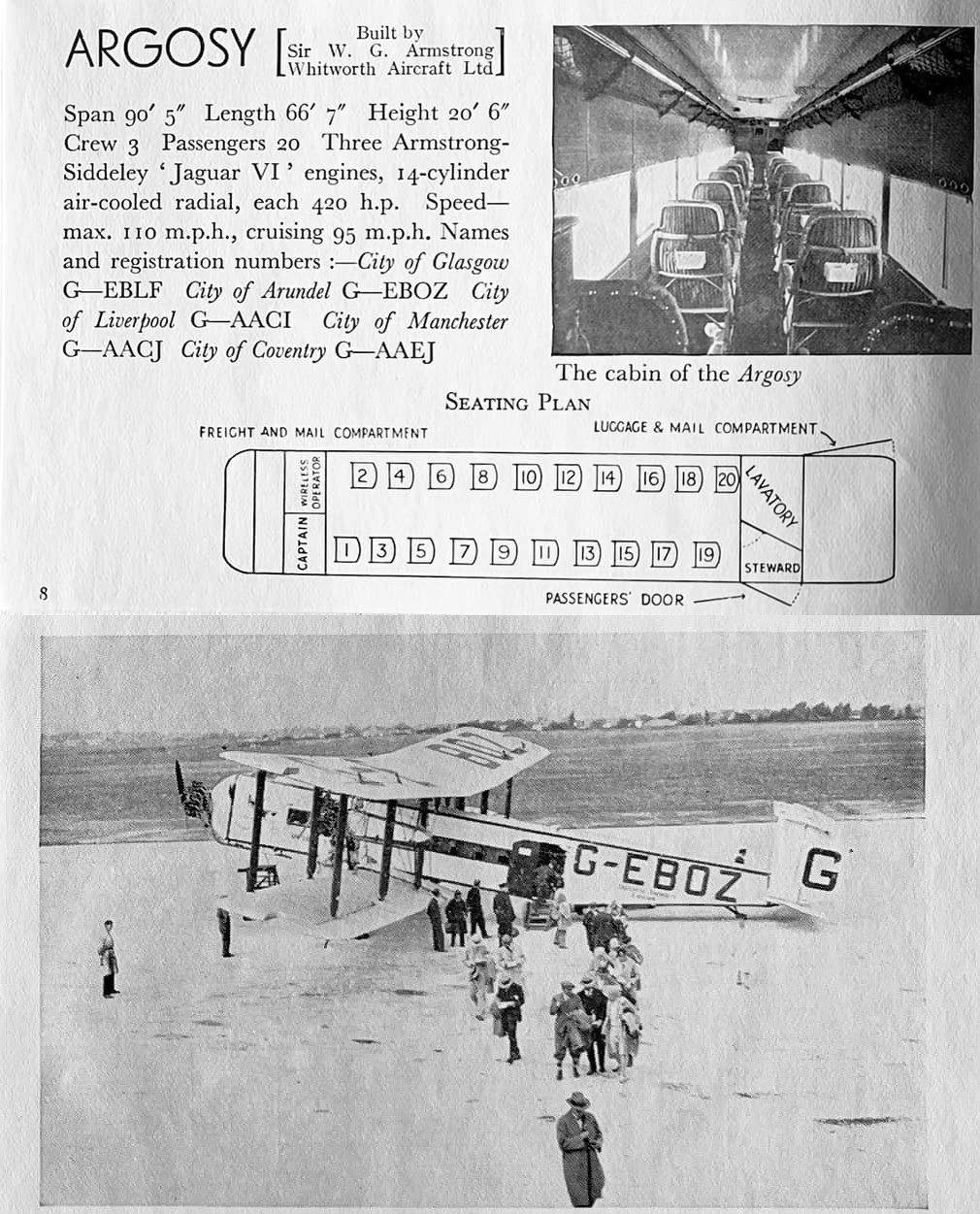
Armstrong Whitworth Argosy
Entering service all the way back in 1926, the Armstrong Whitworth Argosy was initially used on flights from London to Paris. It sported an open cockpit and fabric covered control services.
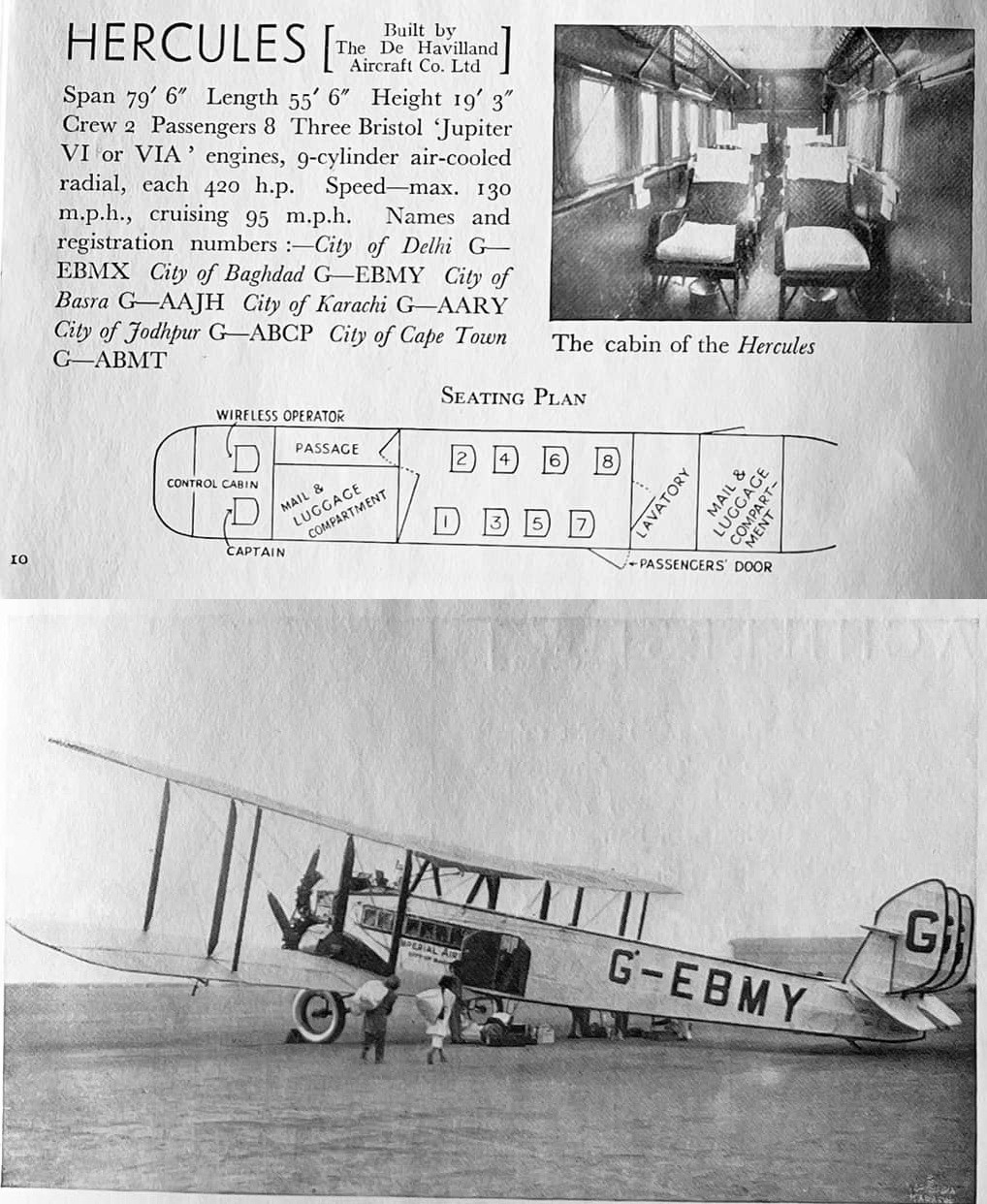
de Havilland Hercules
Another aircraft that first flew in 1926 is the de Havilland Hercules. This was designed for the air mail route from Cairo to Baghdad, and services commenced on 7 January 1927.
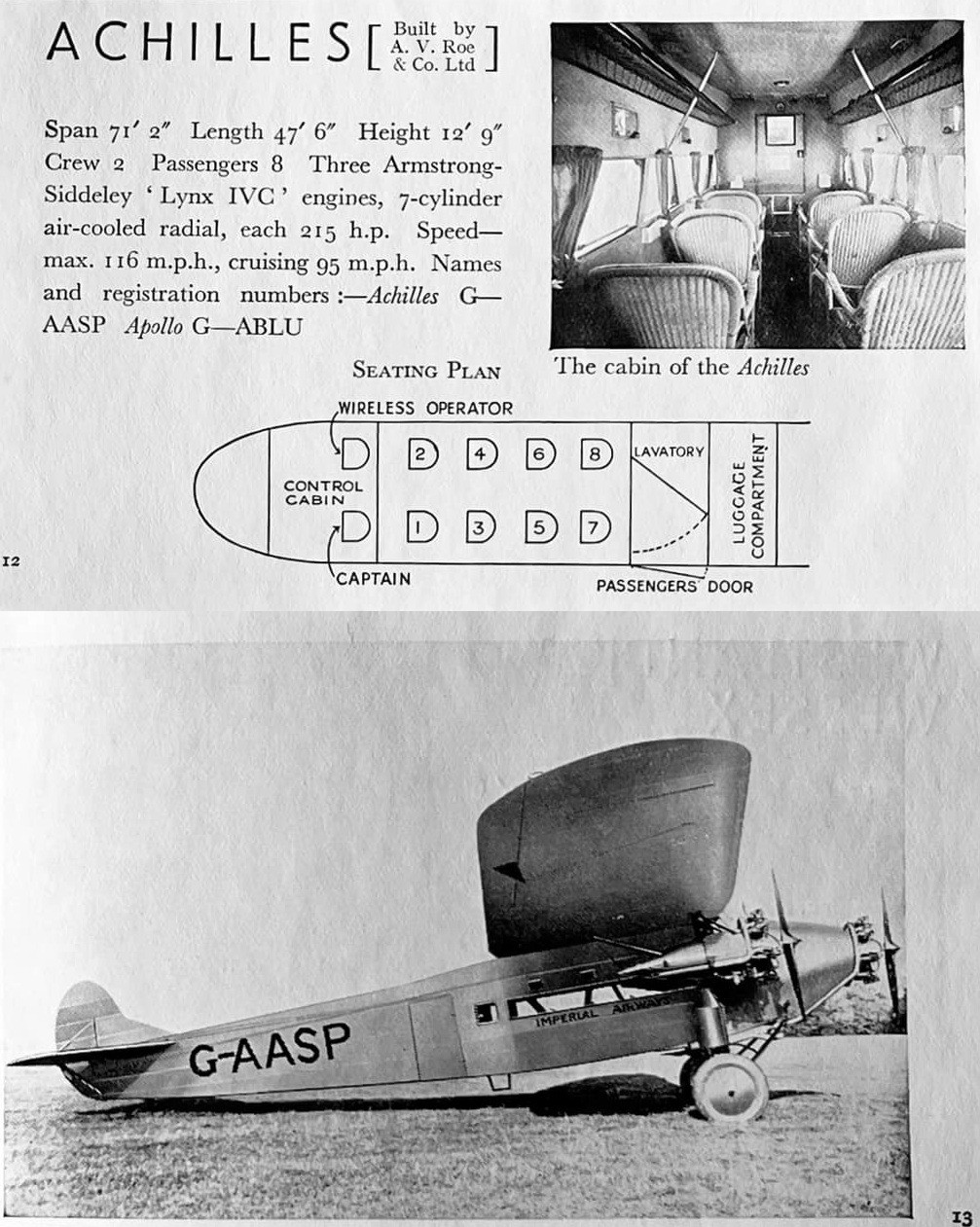
Avro 618 Ten
A licensed version of the Fokker F.VII Trimotor, two Avro 618 Ten aircraft saw service with Imperial Airways. Delivered in April and June of 1931, one was lost in December 1933 in a crash in Belgium, killing all on board.
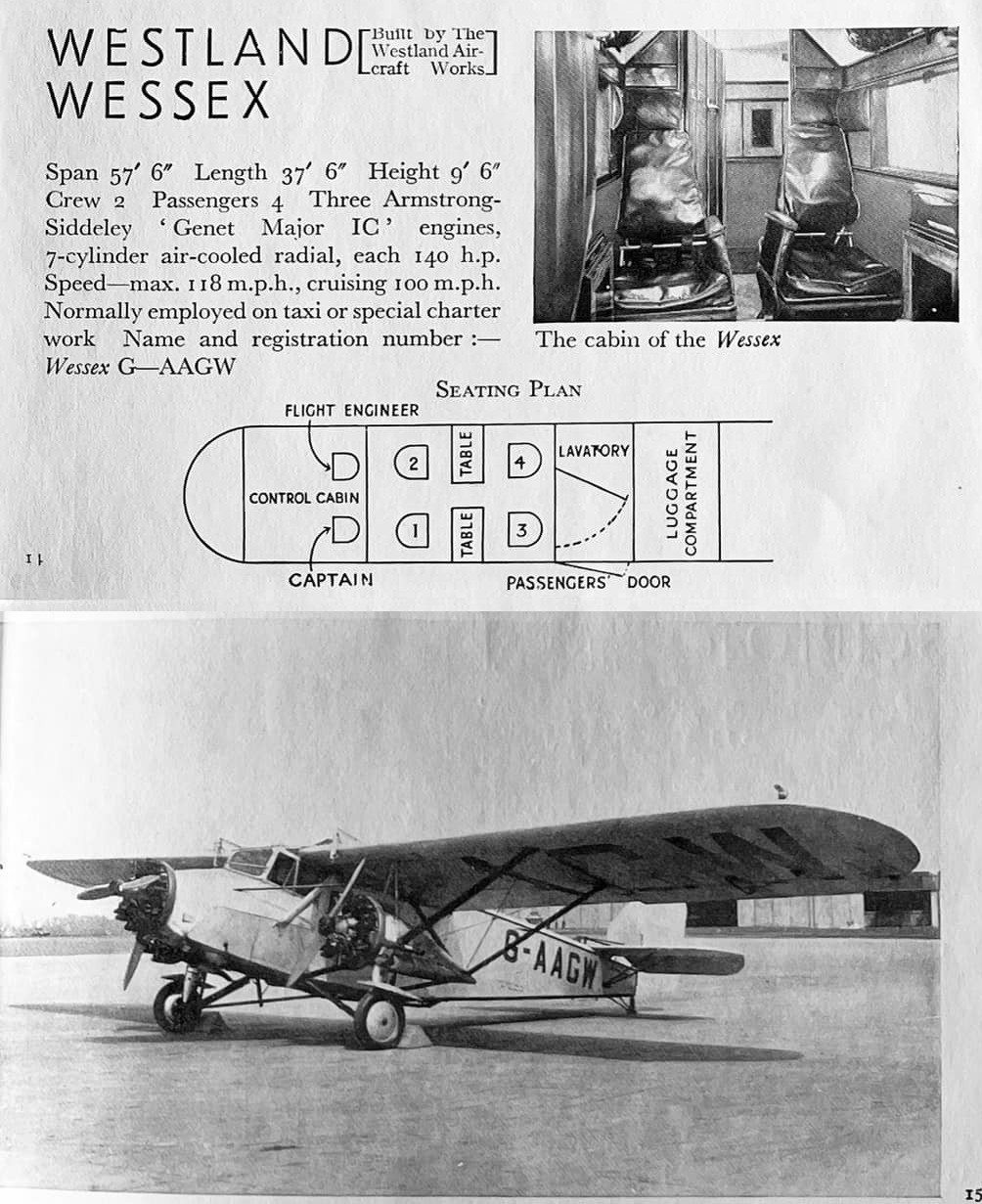
Westland Wessex
Just one Westland Wessex was in service with the airline when the seat maps were produced. It seems that the main operator of this type of aircraft was Belgium’s Sabena.
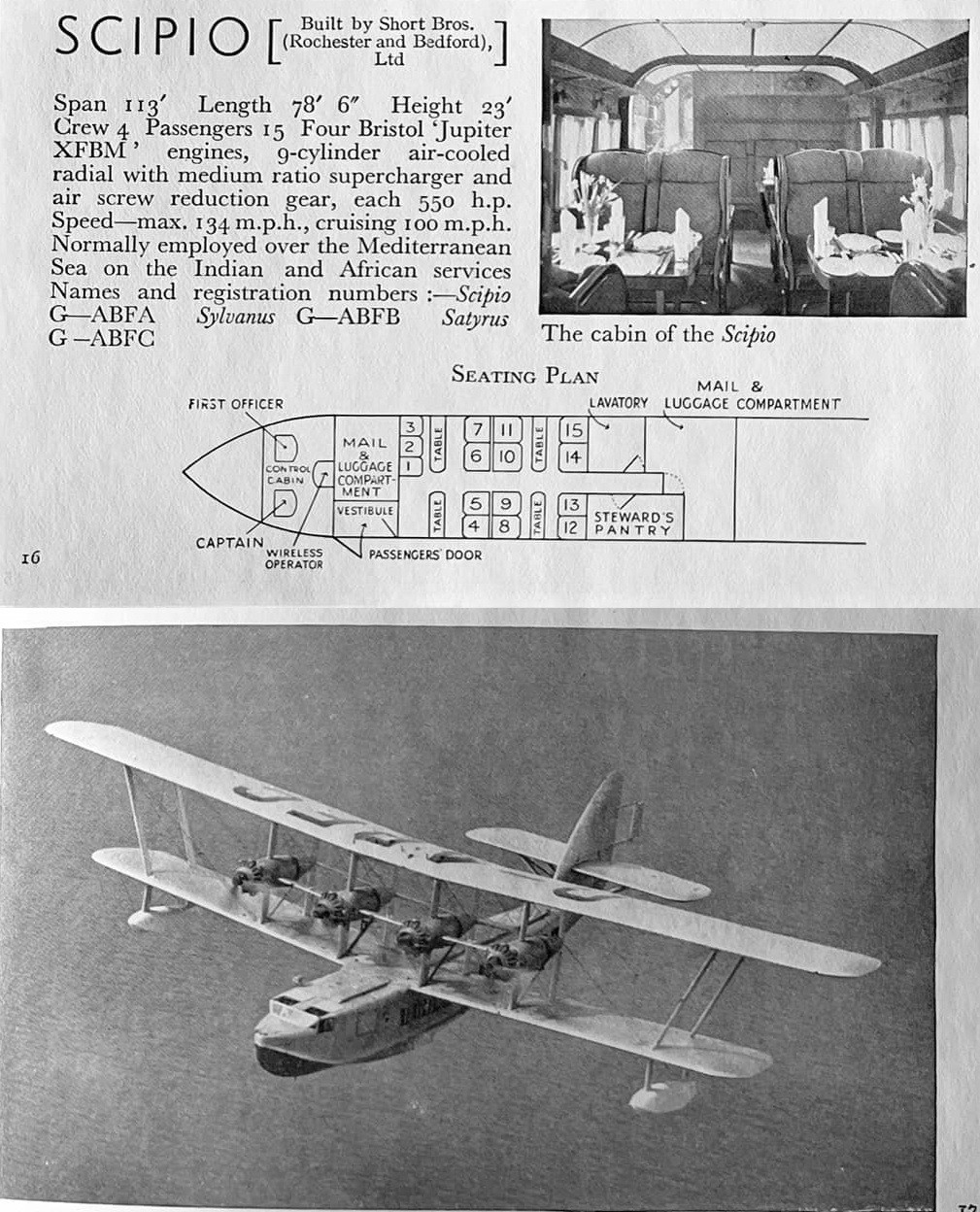
Short S.17 Kent
The Short Kent flying boat first flew and entered service in 1931. At Imperial Airways, they were called the Scipio class, after the name of the lead airliner.
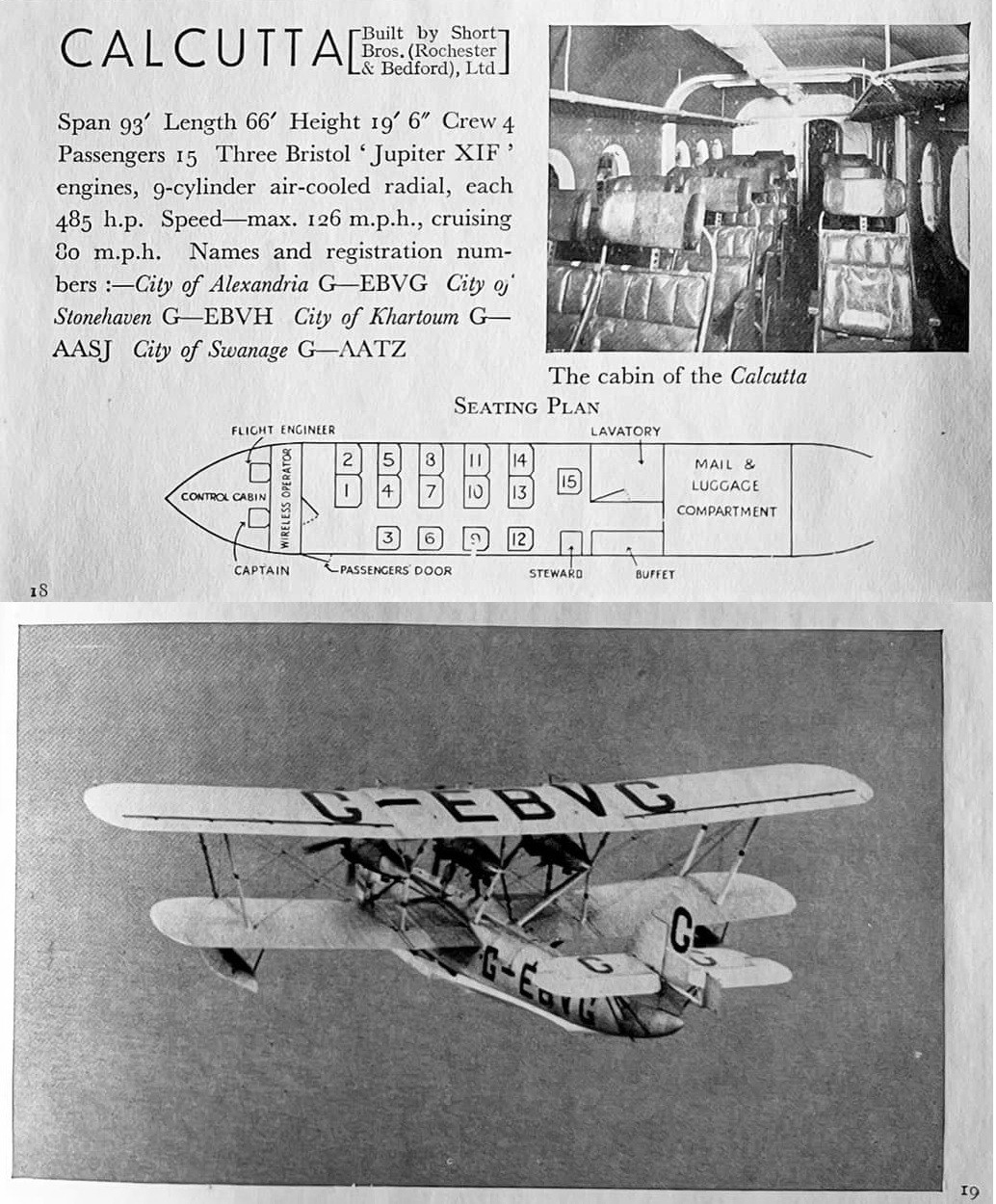
Short S.8 Calcutta
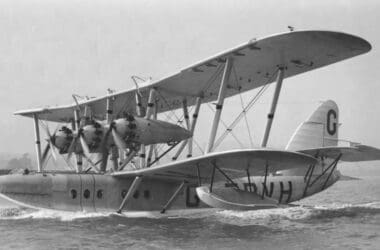
Flying boats were once a big thing in commercial aviation, though they mostly disappeared shortly after the second world war. The Calcutta had an open cockpit and an enclosed passenger cabin. And what about those seats – they look like they are straight out of the dungeon of a serial killer!
Overall Thoughts
With their control cabins, stewards pantries, wireless operators, double Mongoose engines and more, these seat maps are a real peek into an era that has long passed. I’m sure there are people out there who have no idea what a wireless is, let alone knowing what someone who operates one does.
You had to have a really daring streak – and a lot of money – to fly as a passenger in those days. Ultra modern at the time, they were also much less safe than aircraft of today, with accidents being very common.
What do you think of these Imperial Airways seating plans? Thank you for reading and if you have any comments or questions, please leave them below.
Like planes? See my “Does anyone remember” series.
Flight reviews your thing? Mine are all indexed here.
Follow me on Facebook, Twitter and Instagram.
Featured image via Simanaitis Says.


What a great list. I agree about the engine names. Double mongoose indeed. I guess when one mongoose just won’t do…
Hahahaha exactly 🙂
Thank you for this post, it is amazing the planes and service that they experienced.
You’re welcome, I’m glad you read it!